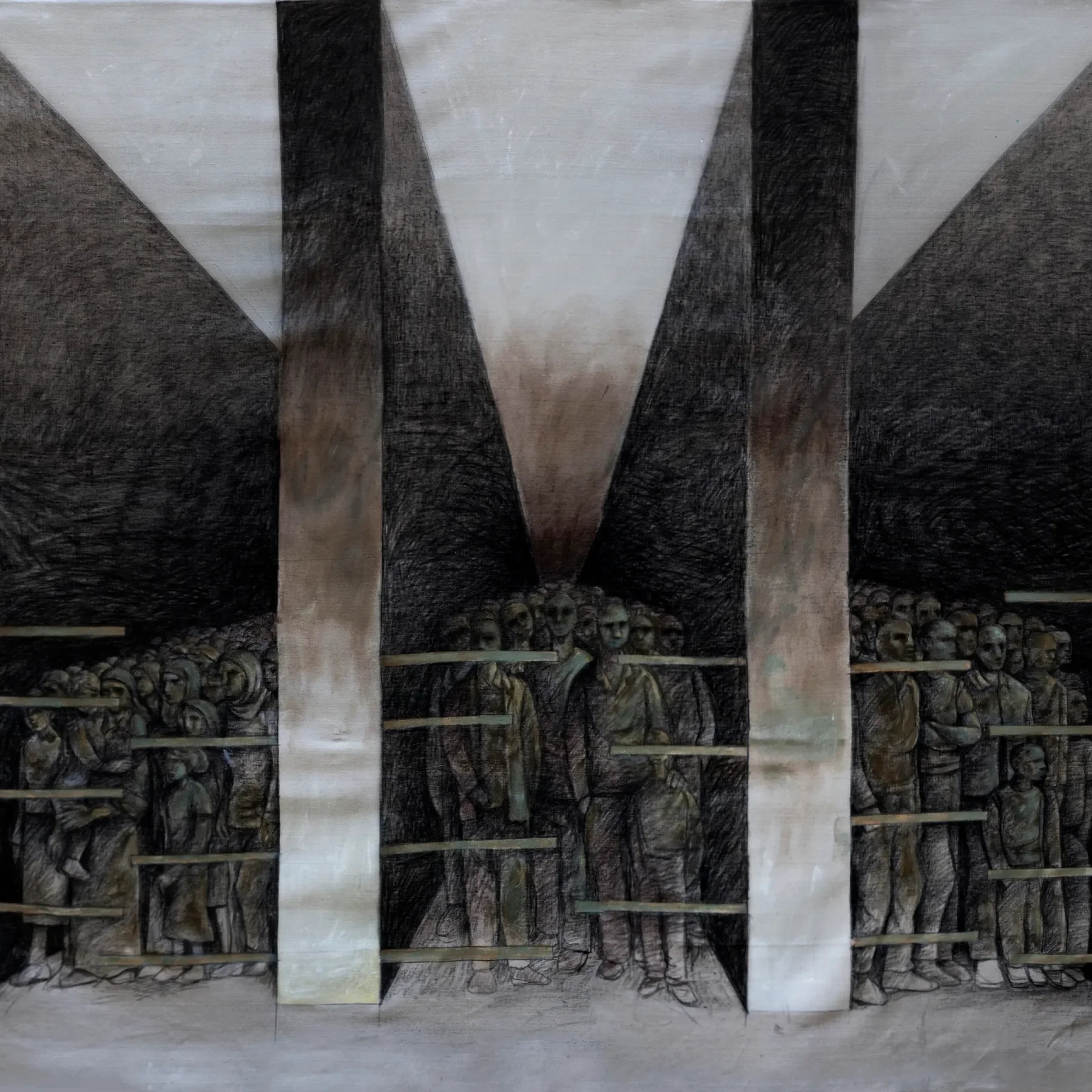
Rest in Power, Sliman Mansour
The Artist Who Resisted With an Army of Brushes
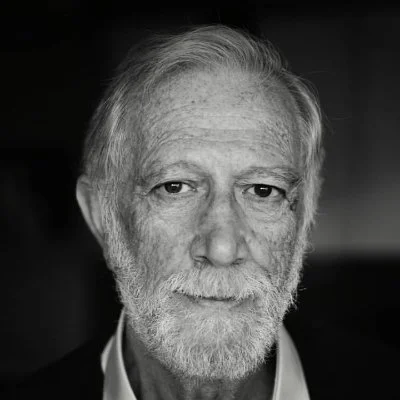
Today, Palestine lost one of its greatest artists, and the world lost one of the most powerful voices of resistance art.
Sliman Mansour was never simply an artist I admired. He was one of my role models.
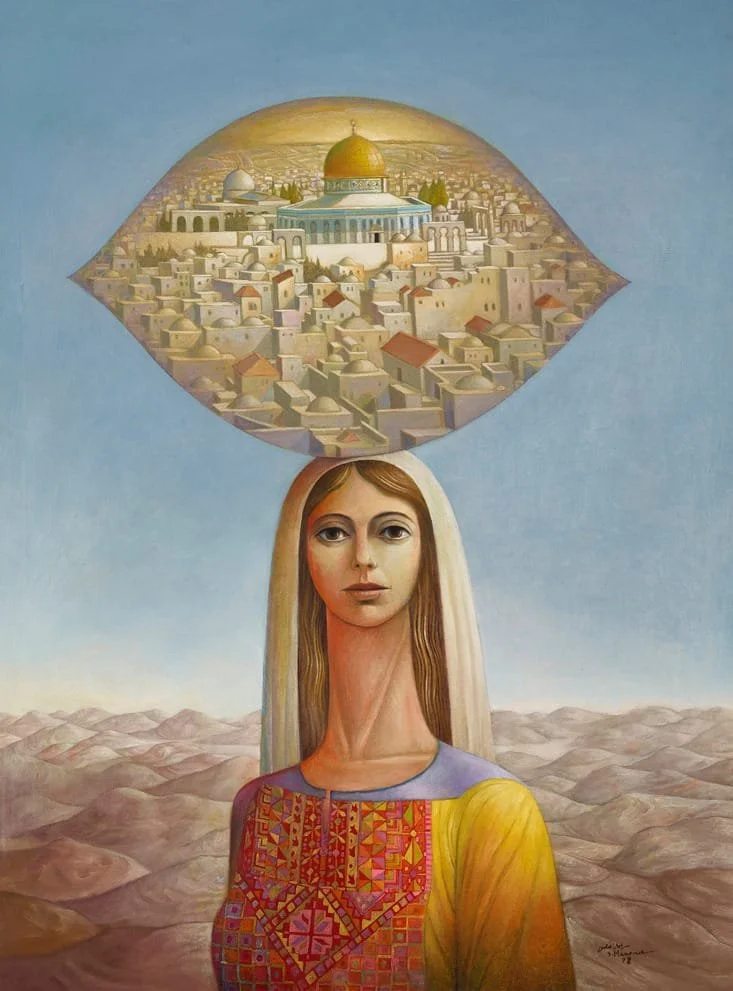
I always looked up to his persistence and the way he carried Palestine throughout his life. He presented her in the most authentic and original way—not as a slogan or a distant memory, but as a living homeland. Palestine appeared in his paintings through her people, her soil, her olive trees, her traditional dresses, her pain, her dignity, and her unbreakable spirit.
To me, he will always be one of the greatest examples of الفن المقاوم — resistance art.
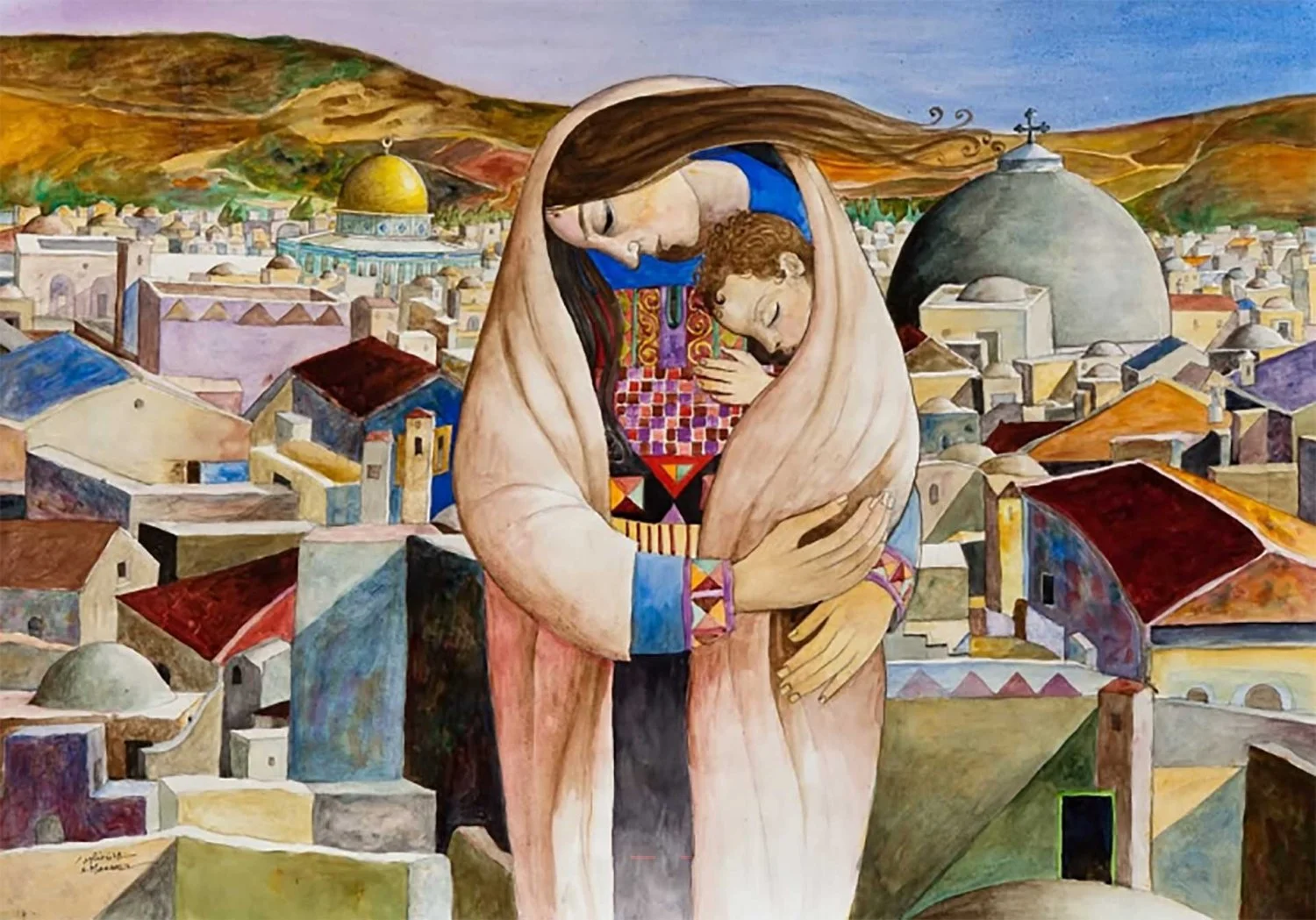
His work proved that one painting can be ten times more powerful than a ton of bullets. A painting can cross borders, preserve a history others are trying to erase, and awaken the conscience of an entire generation. His brush was not simply a tool for creating beauty. It was his weapon, and every canvas was an act of resistance.
I do not know why his death has opened such a deep wound inside me—the wound left by the death of our Sayyed.
Perhaps it is because, in my heart, they represented two forms of the same resistance.
Sayyed resisted with leadership, power. He stood for Lebanon and Palestine and devoted his life to resisting oppression and fighting for the liberation of the land and its people.
Sliman Mansour resisted with an army of brushes, colors, paint, and canvases. He carried Palestine through images that entered our homes, shaped our consciousness, and taught generations what Palestine looks and feels like.
One fought through power and leadership.
The other fought through art and memory.
Both devoted their lives to Palestine and to a cause greater than themselves—and I loved them both so dearly.
They were both my role models. Through them, I learned that resistance does not have only one language. Sometimes it speaks through strength, sacrifice, and steadfastness. Other times, it speaks through an olive tree, an embroidered dress, the face of a Palestinian woman, or an old man carrying Jerusalem on his back.
My heart is aching as I write this. I am sitting in a public library, holding back my tears and trying to understand why this loss feels so personal.
Perhaps some people become more than figures we admire. They become part of the foundation upon which we build our identity. They shape how we understand our purpose, our art, and our responsibility toward the causes we believe in.
Sliman Mansour did not simply paint Palestine. He protected her memory and gave her struggle a visual language that the world could never forget.
Rest in power, Sliman Mansour.
You remain powerful even after your death. Your paintings will continue resisting, your colors will continue speaking, and Palestine will continue living through every canvas you left behind.
You will be dearly missed—just like Sayyed.
Neither of you will ever truly disappear. Your resistance, your sacrifices, and your love for Palestine will remain with us forever.