Carrying the House Alone: Faith, Motherhood, and the Quiet Weight No One Sees
There is a kind of pain that many single mothers carry quietly.
It doesn’t shout.
It doesn’t demand attention.
It simply lives inside the body and learns how to survive.
As a single mother, I am expected to be strong—always. Composed. Capable. Grateful. Society leaves very little room for visible struggle. And so, like many women, I learned to carry my pain with dignity, to hold my faith close, and to continue showing up even when the weight feels unbearable.
What few people see is how uneven the scales truly are.
We live in a world where fathers are often applauded simply for existing in their children’s lives—sometimes even when they do very little. Praise comes easily. Grace is extended generously. Absence is excused, softened, and normalized.
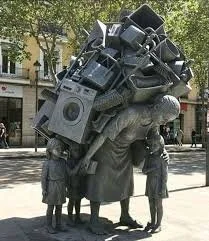
Meanwhile, the single mother carries an entire household on her shoulders.
She carries the emotional labor.
The financial anxiety.
The responsibility of consistency in a life that keeps being disrupted.
She is often forced to move—sometimes more than three times in a single year—searching for a place that feels safe, affordable, and stable enough to call home. Not because she lacks planning or ambition, but because stability has become a privilege instead of a right.
And still, she keeps going.
She works—sometimes far beyond what her body and heart can hold. She becomes an entrepreneur not out of luxury, but out of necessity. She turns creativity into income, ideas into survival, art into a way to keep the lights on. She navigates a business world that demands constant productivity while raising children who need presence, softness, and emotional safety.
All of this happens while she is trying to remain faithful—while holding onto Allah’s rules in systems that do not recognize divine balance.
This is where the contradiction becomes painful.
Islam, in its truth, is a religion of justice and clarity. It does not burden women with what they were never meant to carry alone. Provision was not assigned to mothers out of obligation. Responsibility was defined. Balance was intentional. Dignity was protected.
And yet, both Western systems and Middle Eastern cultural norms often blur these lines.
When I speak about society, I speak about both worlds I belong to—the Western legal framework that focuses narrowly on “what’s best for the child” while overlooking the mother who is raising that child, and the Middle Eastern, Lebanese culture that shaped my identity, where patriarchy sometimes replaces faith, and tradition overrides truth.
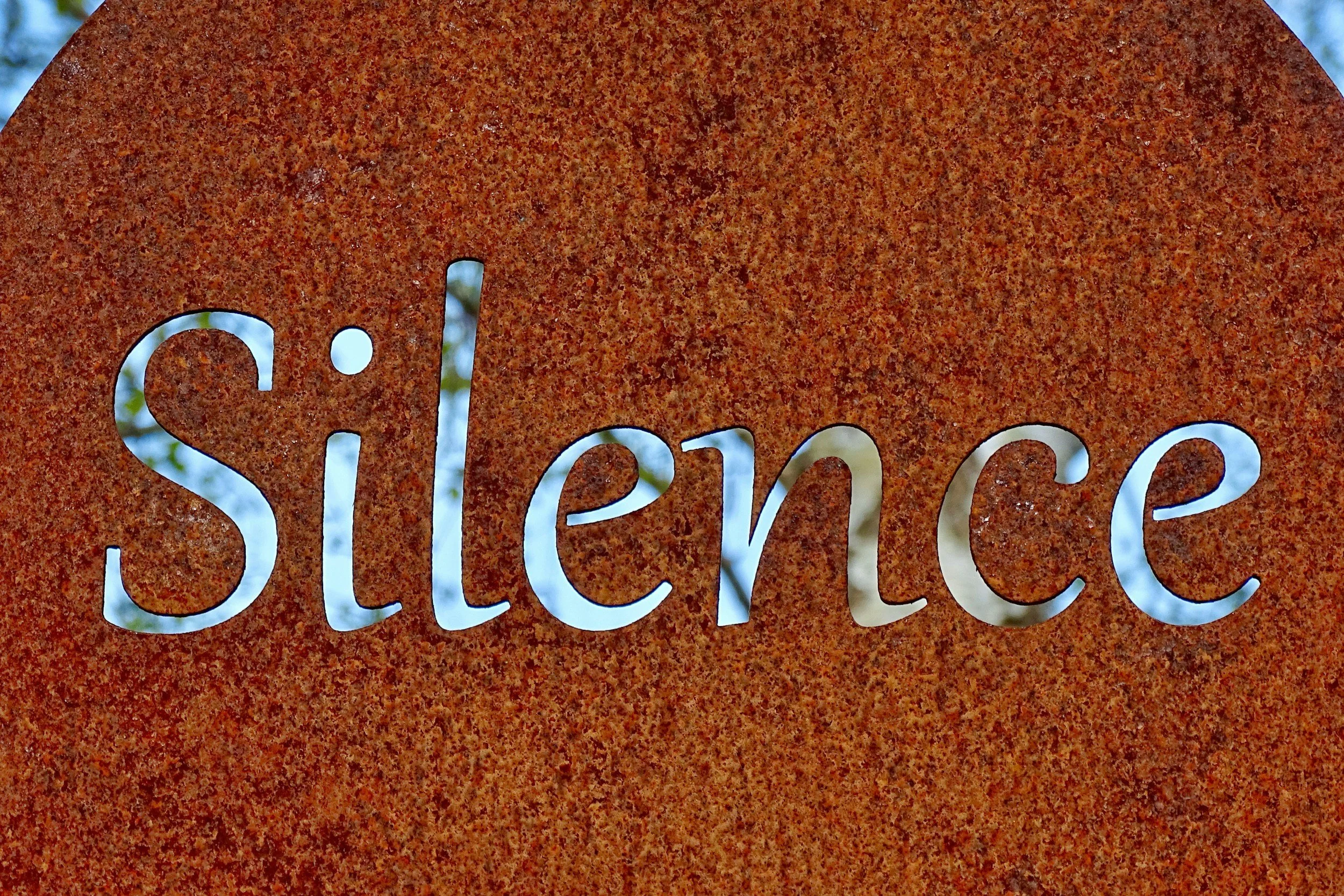
What hurts deeply is not only the imbalance—but the silence.
The silence of a community that calls itself faithful, yet agrees to injustice.
The silence of people who know the truth, yet choose comfort over accountability.
The silence that follows when a woman asks to follow Allah’s law sincerely—and is rejected for it.
Allah gave us a fair constitution.
Clear. Balanced. Just.
But when some of us tried to live by it—when we asked for justice without shame, for support without humiliation—we were pushed aside. Not because we were wrong, but because truth threatens ego, status, and control.
So we learned to hide our pain.
We hold our tears so they don’t fall in public.
We swallow grief so it doesn’t look like weakness.
We keep moving because society does not allow single mothers to collapse.
“Be strong,” they say—
as if strength were a choice.
To every single mother reading this—the one holding it together while falling apart inside, the one crying quietly at night, the one questioning herself while clinging to faith—know this:
Allah sees you.
He knows what you endured.
He knows the injustice you were asked to accept silently.
He knows the pain you buried so your children could feel safe.
He knows the tears you refused to let fall so the world wouldn’t label you weak.
And there will be a day.
Maybe not today.
Maybe not soon.
But one day, Allah will reveal the truth. The truth of what you carried. The truth of what you sacrificed. The truth of what was denied to you. Not to shame anyone—but to restore balance.
And this is where the conversation must shift—from pain to responsibility.
We need to do better.
Not with words.
Not with temporary sympathy.
But with systems, presence, and real support.
I know that, in many ways, I am luckier than other single mothers. I am holding it together not because it is easy, but because I am not completely alone. My parents are alive. They support me emotionally and practically. They help carry the weight when it becomes too heavy.
But so many single mothers do not have that.
They have no parents to lean on.
No safety net to fall into.
No one to call when exhaustion turns into despair.
And in many cases, the fathers of their children are not present—not emotionally, not financially, not spiritually. And still, society moves on as if this absence is normal.
We celebrate “strong women” while abandoning them.
We praise resilience while refusing to build structures that protect it.
We honor motherhood with words, but leave mothers to survive alone.
This is not sustainable.
And it is not just.
A community that claims faith cannot look away from this reality. A society that claims values must protect the women who are raising the next generation.
Single mothers do not need to be rescued.
They need to be supported.
They need guidance through the hardest transitions of their lives.
They need fair systems, safe communities, and accountability that does not excuse absence.
Because raising children was never meant to be a solo mission.
Until we confront these contradictions honestly, we will keep calling injustice “destiny,” exhaustion “strength,” and silence “patience.”
And that is not what Allah intended.
Until then, single mothers will continue carrying entire homes on their shoulders—quietly, bravely, painfully.
But they should not have to.
Allah sees.
Allah knows.
And no pain carried with sincerity is ever lost.